Thursday, January 19, 2012

MELAKA among 45 must visit places in the world by New York Times


MELAKA has been declared by US magazine New York Times as 45 "must visit" places in the world this year 2012.

Tuesday, December 27, 2011

THE MOST NOSTALGIC PLACE TO TAKE PICTURE IN MELAKA


2. Victoria Fountain, at "Dutch Square" or "Melaka Red Square"


1. Take a picture at "TANGGA BATU" at Rumah Melaka.

Monday, December 26, 2011

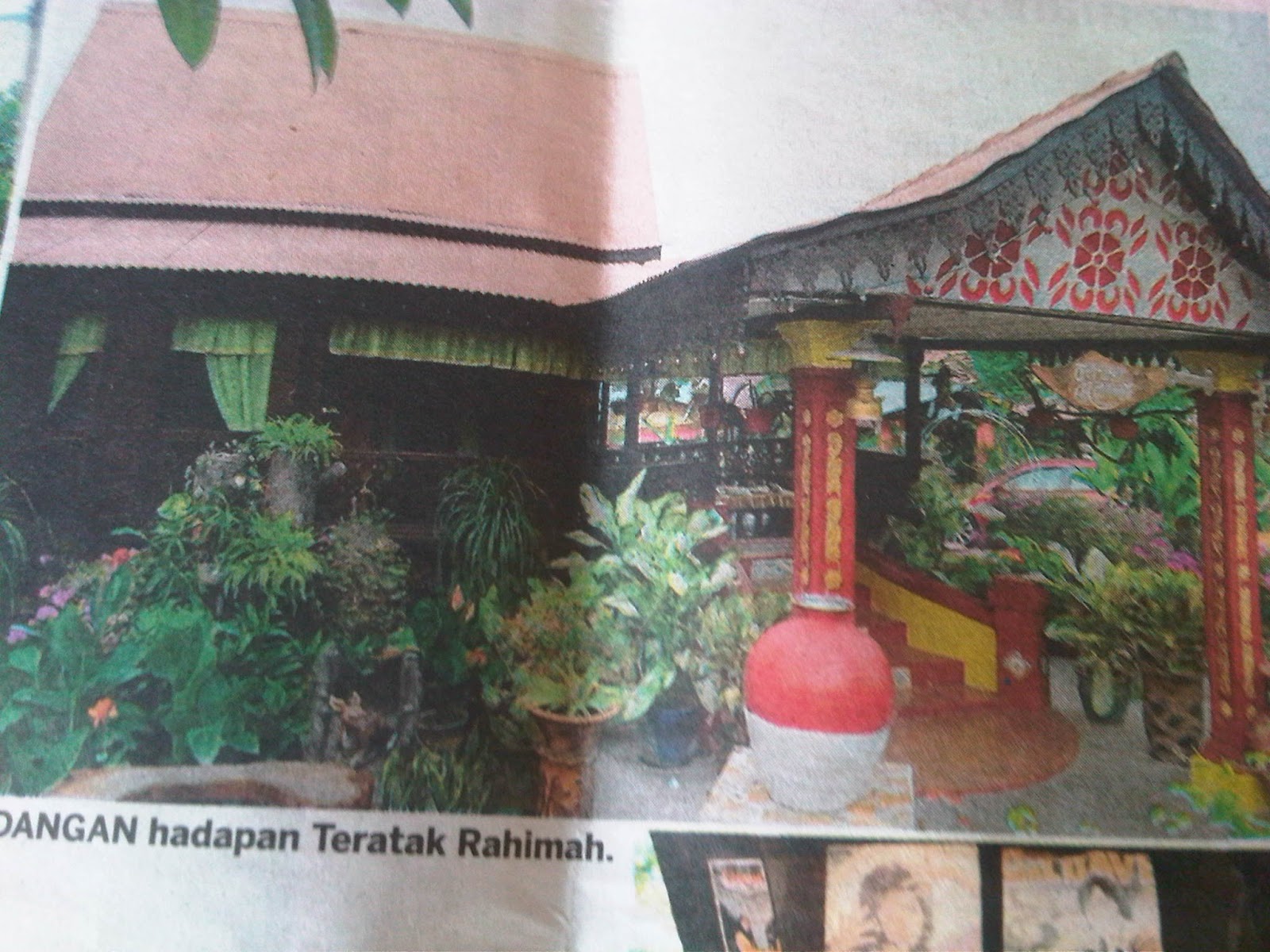
COLLECTION OF " ROCK STAIRS" or TANGGA BATU RUMAH MELAKA


Melaka traditional house with it's famous unique form of the stairs called "ROCK STAIRS" or "TANGGA BATU"made of bricks and concrete. The stairs structure have some of Chinese architecture with unique and colourful tiles design which is imported from Europe, Holland, Japan and China.


The use of colourful tiles design shows that the influence of Malay, Chinese and European cultural mix and this has make it an identity of a Malay house like the "tangga batu" of "Rumah Melaka".


Various stair designs and styles exist in this architecture with the touch of local expert craftmanships during that time. The stairs also represents the status of the owner of the house during those days. The rich usually use expensive tiles imported from European or China.


Tangga rumah tradisional Melaka sememangnya terkenal dengan ciri binaannya yang diperbuat
dari batuan konkrit. Struktur tangga ini bercirkan senibina dari negara China dengan dihiasi jubin-jubin (
tiles) yang berwarna warna yang dimport dari Eropah seperti Holland dan Jepun.

Penggunaan jubin-jubin yang berwarna-warni ini menampakkan pertembungan budaya Melayu, China dan Eropah, dan ciri inilah yang menjadi identiti utama senibina rumah Melayu Melaka.

Pelbagai variasi tangga yang wujud dalam senibina ini dengan sentuhan tukang-tukang rumah yang mahir pada zaman tradisi. Tangga juga melambangkan status penghuninya suatu masa dahulu.

Hang Tuah Well(Perigi Hang Tuah)


Hang Tuah was brought up in Kampong Duyong just 5 kilometers away along with his four good friends, Hang Jebat, Hang Kasturi, Hang Lekir and Hang Lekiu, who were also warriors in the Sultan’s court. Being the Sultan’s favourite, Hang Tuah’s loyalty and determination to the Sultan is unquestionable.

The story of the ultimate Malacca warrior, Hang Tuah, is the stuff of legends. Faithfully serving Sultan Mansur back in the 15th century, this infamous historical figure had an exemplary record of achievements, which include successfully warding off advances from Siam and Acheh, and a winning duel with Taming Sari, a warrior from the court of Majapahit.

The Hang Tuah well is located in the town of his birthplace, Kampung Duyung. According to folklore, the great man himself had dug the well for his own personal use. After he had passed away, it is said that the well has become the dwelling of his spirit, which took on the form of a white crocodile. It is also believed that the albino crocodile cannot be seen by just anyone; only the holy and the pure-hearted ever get the opportunity to catch a glimpse of it.

Another mystical aspect to the Hang Tuah well is that its water remains clear even after all these years, which is said to never dry up, even during long periods of drought. The locals believe that the well’s water contains special healing properties, able to cure all sorts of ailments. It was also said that the well used to be much smaller in size originally, and that it had grown over time.

St Paul Church, 1553


Built by a Portuguese captain by it name of Duarte Coetho, the chapel wi turned by the Dutch into a burial ground for their noble dead and renamed it 'St. Paul's Church from the Portuguese's "Our Lady Of The Hill".

St. Francis Xavier was briefly enshrined in the open grave in 1553 before being shipped to Goa, India.
Related Posts Plugin for WordPress, Blogger...